
Irritable Bowel Syndrome (also known as IBS) is one of the most widespread gastrointestinal pathologies.
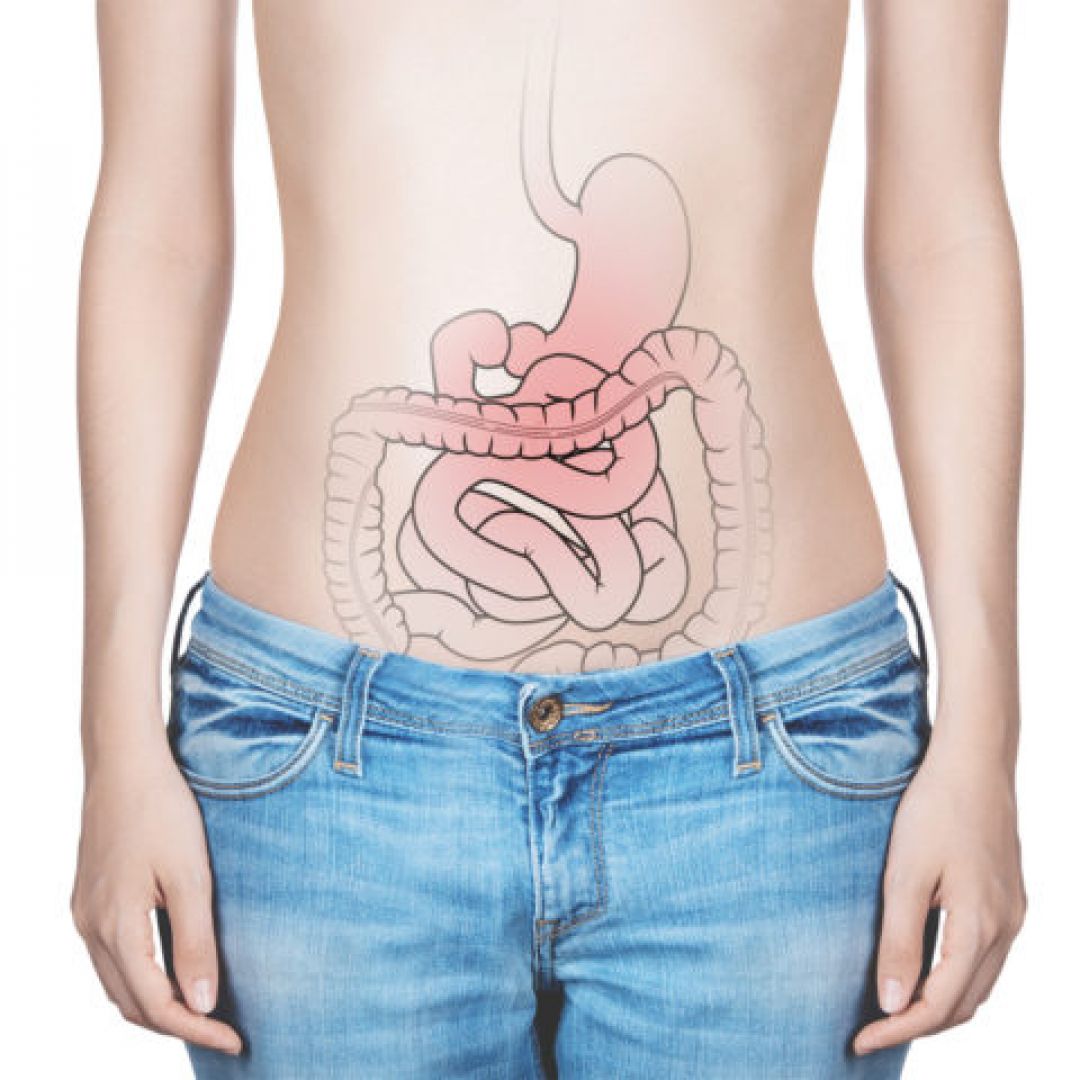 |
Irritable Bowel Syndrome is a condition characterized by the presence of abdominal pain, discomfort, and intestinal embarrassment, in the absence of other ongoing diseases. About 15% of the world's population is affected by it. Unfortunately, for those who suffer from it, there is an inevitable decrease in the quality of life. Irritable bowel syndrome in adults is, today, a problem of global importance. |
Irritable bowel syndrome should not be confused with short bowel syndrome, which causes malabsorption following the resection of the intestinal tract, known as the small intestine.
What are the prevalent symptoms?
It is a chronic gastrointestinal disorder characterized by variable abdominal pain and discomfort associated with altered intestinal motility. The pains, therefore, are not always constant, nor are they always present.
The most common symptom is abdominal bloating. Others include:
- the urgent need to rush to the bathroom to have a bowel movement,
- abdominal tension due to the presence of gas,
- flatulence
- sometimes the presence of mucus in the stool.
Are there various types of IBS?
Yes. The subtypes of IBS are classified as diarrhea-predominant (IBS-D), constipation-predominant (IBS-C), mixed diarrhea and constipation (IBS-M), or unsubtyped (IBS-U).
Irritable colon: what to eat and which foods to avoid?
Nine out of ten individuals report that certain foods are associated with the symptoms of irritable bowel syndrome.
Two-thirds of individuals with IBS begin dietary restrictions to improve them, and therefore diet management is an important option in the context of medical treatment.
Unfortunately, if not supervised by professionals, these food reductions can lead to situations of malnutrition, particularly energy and protein deficiencies that further negatively impact social and working life. Underweight, loss of muscle mass, and alterations of the immune system, leading to frequent infections, are common due to altered intestinal permeability.
The main goal of nutritional treatment is to correct any nutritional deficits and reach the correct nutritional status, as well as attempting to alleviate symptoms. It may be necessary to introduce a dietary supplement, based on nutritional needs.
The first British Dietetic Association (BDA) guidelines for the dietary management of IBS were developed several years ago, but they lacked a comprehensive critical evaluation for all dietary management strategies, particularly in first-line approaches regarding healthy eating and lifestyle.
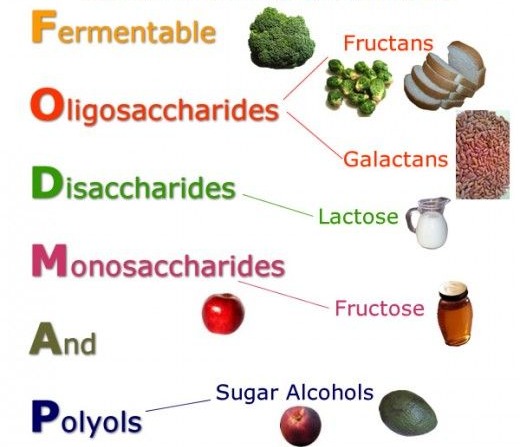
Evidence has been developed on the effectiveness of a diet low in oligosaccharides, disaccharides, monosaccharides, and polyols (defined as FODMAPs), which certainly require further revision.
But let's focus specifically on diet. The key points to pay attention to are as follows:
Patients often associate their symptoms with the meal just consumed. About 90% of them limit their diet to prevent or improve their symptoms. Currently, there is emerging evidence supporting diets for IBS patients that are gluten-free (as for those suffering from celiac disease) and with low levels of fermentable oligosaccharides, disaccharides, monosaccharides, and polyols, including lactose (FODMAPs).
Short-chain, poorly absorbed, and highly fermentable carbohydrates are collectively known as FODMAPs and are found in foods such as wheat, onions, some fruits and vegetables, sorbitol, and some dairy products. FODMAPs lead to an increase in water secretion in the small intestine and colon with fermentation, which causes an increase in the production of short-chain fatty acids and gas that cause flatulence.
FODMAPs do not cause gastrointestinal symptoms in a healthy adult. Conversely, they are a major trigger of symptoms associated with meals in patients with IBS.
- Fiber also plays an important role. Patients with irritable bowel syndrome who experience constipation may have delayed intestinal transit. Therefore, dietary fiber has the task of accelerating it, improving the intestinal condition.
Regarding nutrition on this topic, there are some common questions and answers, which can be briefly summarized below:
- What effect does alcohol have on irritable bowel syndrome? It can worsen symptoms.
- Does caffeine worsen IBS symptoms? Yes, a reduction in consumption should be evaluated.
- What about spicy foods? It is good to be careful if you have a sensitivity to such foods, and in that case, remove them from the diet.
- What about fatty foods? A reduction in fat intake can be useful to relieve IBS symptoms, particularly meal-related abdominal pain and discomfort associated with visceral hypersensitivity.
- Does stress affect irritable bowel syndrome? Yes, it is good to learn how to manage it to avoid increased symptom severity.
Other dietary tips
Following simple rules will help improve intestinal syndrome or delay the onset of symptoms between one acute episode and the next.
- Eat meals regularly, at consistent times.
- Avoid skipping a meal and arriving at the next one with excessive hunger.
- Drink plenty of water, especially between meals.
- Reduce the consumption of other beverages, such as alcohol, carbonated drinks, coffee, and tea.
- In case of diarrhea, reduce the consumption of sorbitol, a popular sweetener found in some drinks, candies, and chewing gum.
- Do not exceed fiber consumption; instead, reduce it significantly.
- Consult a professional to evaluate the possible use of probiotics, i.e., lactic ferments.
Natural remedies for irritable bowel syndrome:
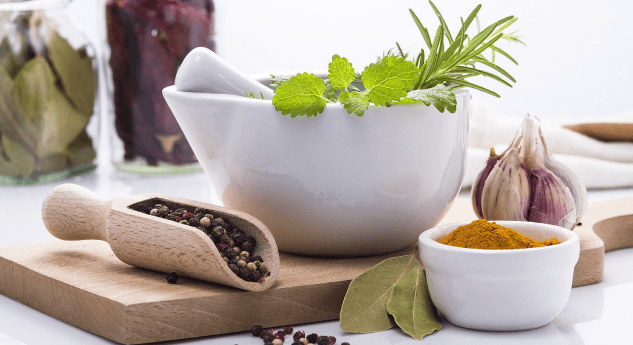
The best-known herbs that help reduce inflammation and intestinal spasms are, for example, lemon balm, passionflower, valerian, fennel, chamomile, and couch grass. They are also useful for promoting digestion and reducing abdominal bloating.
Diagnosis of irritable bowel syndrome:
Patients with irritable bowel syndrome may experience constipation, diarrhea, or both conditions. Identifying a patient's predominant bowel disorder plays an important role in both the selection of diagnostic tests and treatment.
Unfortunately, there is no specific diagnostic test, but the doctor, based on the medical history and the exclusion of other pathologies, can confirm that it is irritable bowel syndrome. It can therefore be said that the diagnosis is based on a symptomatic classification and is therefore called a diagnosis of "exclusion."
What therapy is applied in case of irritable bowel syndrome?
There is no single specific drug for IBS, but action is taken on various fronts. In fact, the following are used:
- Antispasmodic drugs
- Anxiolytic drugs
- Antidepressant drugs
- Antidiarrheal drugs
- And any other drugs recommended by the doctor, based on the patient.
Physical activity

Physically active individuals who practice regular physical activity show faster colon transit compared to sedentary individuals. A clinical study found that a targeted exercise intervention leads to improvements in IBS symptoms. Therefore, patients with IBS should be encouraged to increase their physical activity. A simple recommendation is to take a 20-minute walk every day.
Lactose intolerance, a topic close to our hearts: how does it affect irritable bowel syndrome?
In the case of lactose intolerance occurring alongside irritable bowel syndrome, double the caution is required.
The intestine of a healthy but lactose-intolerant individual already tends to become inflamed when ingesting lactose. This inflammation can add to the existing inflammation in the case of IBS, causing the patient to worsen their physical condition and causing them significant pain and colic.
In this case, it is of utmost importance not to consume foods containing lactose, and in the event of a meal of dubious composition, to take a good oral lactase enzyme supplement.
Bibliography
- William D. Chey et al. (2015) “Irritable Bowel Syndrome. A Clinical Review”. Clinical Review& Education
- McKenzie et al. (2016) “British Dietetic Association systematic review and evidencebased practice guidelines for the dietary management of irritable bowel syndrome in adults”. Journal of Human Nutrition and Dietetics
- Bijkerk et al. (2004). “Systematic review: the role of different types of fibre in the treatment of irritable bowel syndrome”. Aliment Pharmacol Ther 2004; 19: 245–251
- Cartabellotta et al. (2016). “Linee guida per la gestione della sindrome dell’intestino irritabile negli adulti”. Evidence
- National Collaborating Centre for Nursing and Supportive Care (UK) (2008). Irritable Bowel Syndrome in Adults: Diagnosis and Management of Irritable Bowel Syndrome in Primary Care.