
Why do we sleep?
It is now scientifically proven that sleep is vital for humans and for all mammals in general.
During the night, we relax at all levels, regenerating our body both physically and mentally, as well as emotionally. Furthermore, certain immunological and digestive processes also occur during sleep. We feel the negative effects when we do not sleep enough. When we are sleep-deprived, we find it harder to concentrate and feel exhausted. There are now many scientific studies on this subject, and thanks to them, we can debunk some myths about sleep. Let’s look at a few:
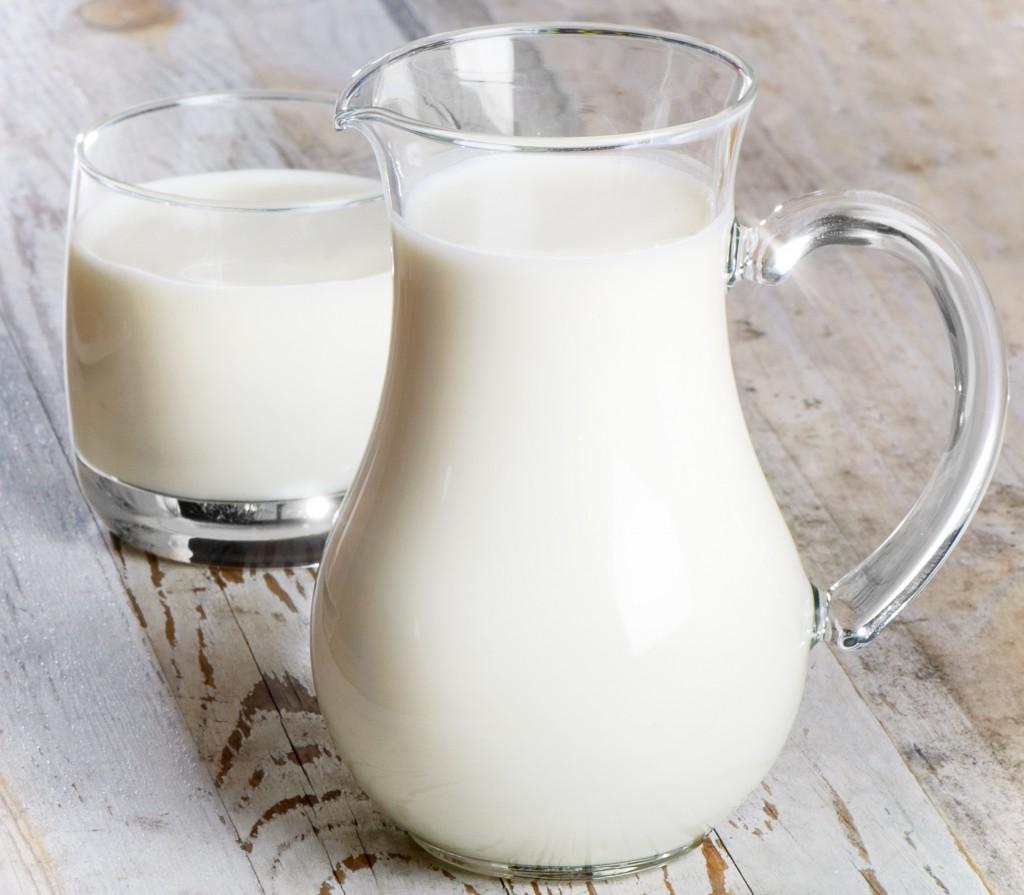
Does warm milk help you fall asleep?
The question of whether it is easier to fall asleep after drinking warm milk is not so easy to answer. Like any protein-rich food, milk contains tryptophan. Tryptophan is an amino acid from which the body forms serotonin, the happiness hormone, and then melatonin, the sleep hormone. However, it has been shown that tryptophan only affects sleep at a dose of 250 milligrams. A glass of milk contains only 100 milligrams of the amino acid. This does not mean you have to drink liters of it to fall asleep better thanks to milk. But a glass of warm milk as a bedtime ritual can certainly help you increase your sleep. The tryptophan it contains doesn't do all the work, but the pleasant feeling of the evening ritual almost certainly does! If you choose to drink a glass of warm milk before bed and are lactose intolerant, you can try our fantastic Lactosolution tablets! They can also be useful on other occasions, so you will no longer have to worry about looking for lactose-free foods!
Click here for more information.
How effective is counting sheep?
A scientific study from the University of Oxford even investigated whether counting sheep actually helps you fall asleep. The study showed that counting sheep actually slows down the process of falling asleep rather than speeding it up. Subjects in the study were able to fall asleep on average 20 minutes faster if they imagined relaxing scenarios. The logic behind this result is that counting sheep tends to create stress rather than relaxation. So, if you want to fall asleep faster, you should avoid counting sheep and instead imagine a peaceful landscape.

What is so-called "beauty sleep" all about?
The myth of beauty sleep is actually true. Healthy sleep makes our skin look better. The reason for this lies in the fact that the moisture reservoirs of the connective tissue fill up during sleep. This makes our skin smoother and therefore younger and healthier. Furthermore, lack of sleep also causes dark circles under the eyes.
How much sleep is healthy?
Let’s debunk another myth: it is not true that 8 hours of sleep is the optimal resting time for everyone. The need for sleep is very individual and depends on various factors such as age, routine, health status, and the internal biological clock. Most adults need between seven and nine hours of good sleep to feel rested. For example, in the first years of life, children need up to 17 hours of sleep per day. As we grow, the number of hours we need decreases. The decisive factor is not just the duration of sleep, but the quality of sleep.
Is sleep deprivation dangerous?
Sleep deprivation manifests itself through various physical and psychological symptoms. As sleep deprivation progresses, the symptoms change. The longer we are deprived of it, the more extreme the effects become. Initially, sleep deprivation is evident through fatigue and apathy. Staying awake makes the fatigue disappear and we feel almost euphoric. As soon as this euphoria wears off, serious physical and psychological disturbances appear. These include muscle pain, uncontrollable tremors, slow reaction times, increased irritability, memory lapses, and even hallucinations. So, it is worth finding the time to get a good night's sleep.
Other tips for sleeping well.
Eat well: Eating light and well before bedtime certainly helps you fall asleep sooner. So, what should you eat before sleeping? Definitely protein dishes like fish or meat (swordfish, natural sliced steak, or lean red meat are preferable).
Relaxing music for deep sleep: Music, as we know, plays a fundamental role in the brain and helps in many contexts: anxiety, panic, depression, insomnia. Which music should you listen to for sleep? We recommend listening to white noise or white sounds such as the sound of rain, nature, or a waterfall... it is certainly the relaxing music that allows you to sleep.
Sleep drops: In our opinion, it is not strictly necessary to take psychotropic drugs or powerful sleeping pills to sleep. The precautions mentioned so far are sufficient to establish a good sleep-wake rhythm. In any case, sometimes the use of sleep medication becomes necessary, although natural food supplements should be preferred: choose those that contain melatonin (melatonin for sleep is miraculous; Bonelli's chamomile melatonin is also good), passionflower, hawthorn, lemon balm, griffonia, or inositol.